
Key takeaways from the report
For the first stretch of its life it is a construction site, then a partially leased property, and only later a stabilized community whose income covers its expenses.
During that period, the construction loan accrues interest every month.
The sponsor and lender project how much will be drawn on the loan each month, the interest rate, the construction schedule and the lease-up pace.
The problem an interest reserve solves
An existing apartment community pays its bills from rent. A development cannot. For the first stretch of its life it is a construction site, then a partially leased property, and only later a stabilized community whose income covers its expenses.
During that period, the construction loan accrues interest every month. Someone has to pay it. The interest reserve is the answer: a dedicated pool of capital, funded up front as part of the project budget, that covers interest until the property's own income can.
How an interest reserve works
1. Sized at underwriting. The sponsor and lender project how much will be drawn on the loan each month, the interest rate, the construction schedule and the lease-up pace. From that, they estimate total interest through stabilization.
2. Funded at closing. The reserve is included in the total project budget and funded with the initial capitalization.
3. Drawn monthly. As interest comes due, it is paid from the reserve, usually as part of the lender's monthly draw process.
4. Released or reduced as income grows. As units lease and net income rises, the property begins to cover more of its own interest.
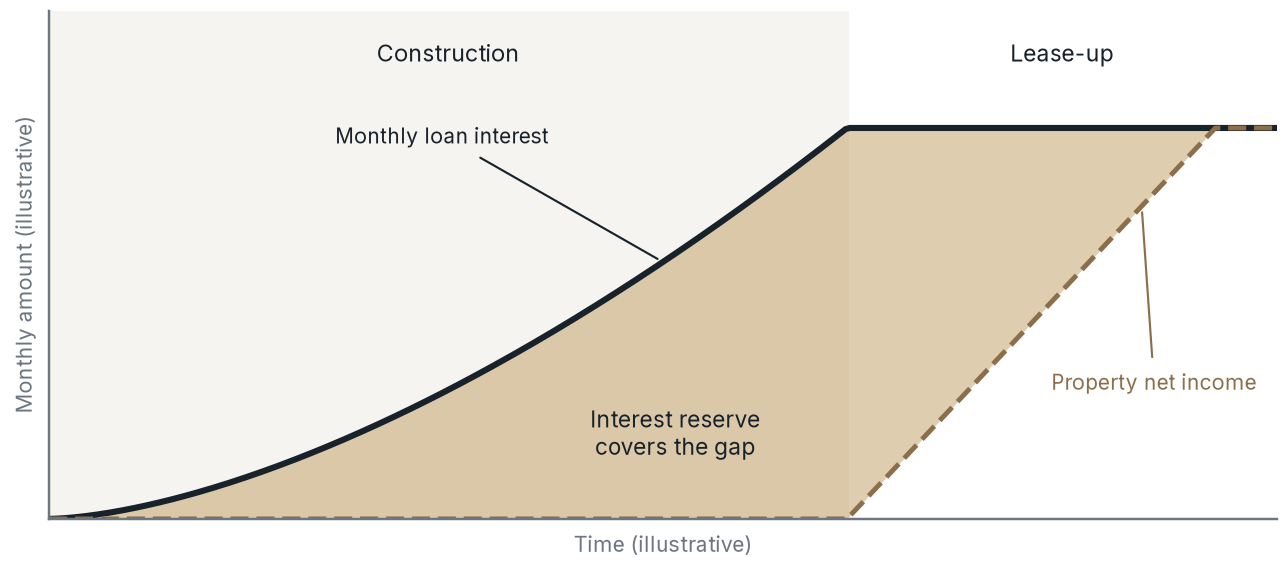
Chart Summary and Key Values
Illustrative interest reserve: monthly loan interest rises as construction proceeds and remains due during lease-up. Property net income initially does not cover that expense, then increases with lease-up. The shaded reserve funds the gap until income catches up. Both time and monthly amounts are illustrative; the chart supplies no fixed duration or dollar amount.
Illustrative pattern of construction-loan interest and property income over a project. No actual project data. Graphic: Ascendant Development.
What "fully funded" means
A fully funded interest reserve is in place at closing for the full projected period, not dependent on future capital raises, future sales or optimistic early leasing. Investors should look for three things:
Conservative schedule. The reserve assumes construction and lease-up take longer than the base case.
Conservative rate. On a floating-rate loan, the reserve is sized for rates at or above current levels, or the sponsor uses a rate cap. Benchmark rates are published by the Federal Reserve1.
No reliance on capital calls. The plan does not count on asking LPs for additional money to keep interest current.
Why it matters to LP investors
It protects your ownership. If a project runs short of cash and must raise more equity, existing investors can be diluted or asked to contribute more. A properly sized reserve reduces that risk.
It protects the schedule. A project that can pay its interest has time to finish construction and lease up at market rents rather than being forced into concessions or an early sale.
It signals discipline. How a sponsor sizes reserves tells you how they think about risk. Generous reserves cost money up front; sponsors who fund them are choosing resilience over a higher headline projection.
Interest reserves and the rest of the safety net
The interest reserve works alongside other protections:
Construction contingency for cost overruns and unforeseen site conditions
Fixed-price or guaranteed-maximum construction contracts that shift cost risk to the contractor
Lender oversight, including third-party cost consultants who review draws and inspect progress
Operating reserves for lease-up expenses such as marketing and staffing
Together these protections let a project withstand the most common development surprises: weather, supply-chain delays, permitting and a slower lease-up.
Questions to ask a sponsor
What schedule and interest rate is the reserve sized for?
How many months of cushion beyond the base case does it include?
Is the full reserve funded at closing?
Is the loan fixed or floating, and is there a rate cap?
What happens if the reserve runs low? Who covers the shortfall?
How have reserves performed on your past projects?
A closer look at how reserves are sized
Sizing an interest reserve starts with a draw schedule: a month-by-month projection of how much of the construction loan will be outstanding as work progresses. Early in construction, equity typically funds costs first, so loan balances and interest are low. As construction advances, the loan balance grows and so does monthly interest. During lease-up, the balance is at or near its peak while rental income is still building.
The reserve must cover the sum of those monthly interest payments, net of any income the property earns during lease-up, through the point at which the property can carry itself. Conservative sponsors then add cushion in three places:
Schedule cushion: extra months of construction and lease-up beyond the base case
Rate cushion: a higher assumed rate on floating-rate loans, or the cost of a rate cap
Income cushion: slower assumed lease-up and higher early concessions
H Y P OT H E T I CA L I L L U S T R AT I O N : S I Z I N G A N I N T E R E S T R E S E R V E
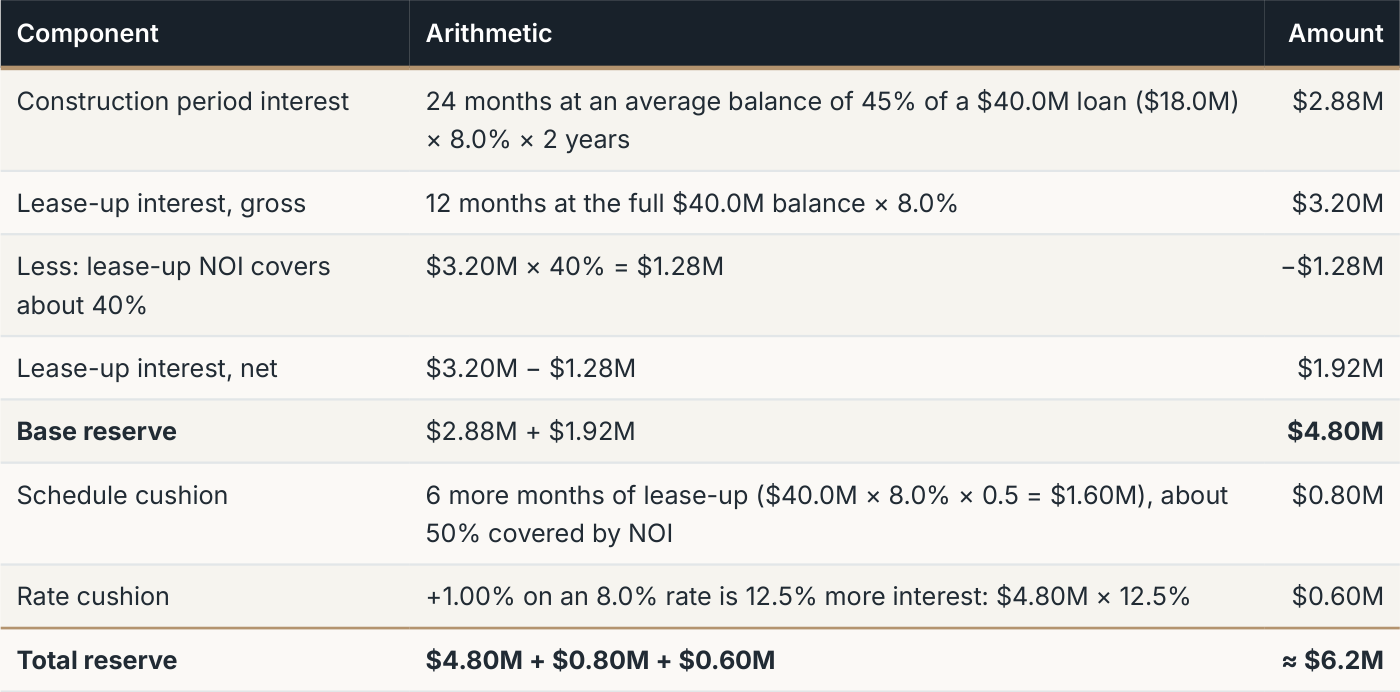
Table Summary and Key Values
| Component | Arithmetic | Amount |
|---|---|---|
| Construction period interest | 24 months at an average balance of 45% of a $40.0M loan ($18.0M) × 8.0% × 2 years | $2.88M |
| Lease-up interest, gross | 12 months at the full $40.0M balance × 8.0% | $3.20M |
| Less: lease-up NOI covers about 40% | $3.20M × 40% = $1.28M | −$1.28M |
| Lease-up interest, net | $3.20M − $1.28M | $1.92M |
| Base reserve | $2.88M + $1.92M | $4.80M |
| Schedule cushion | 6 more months of lease-up ($40.0M × 8.0% × 0.5 = $1.60M), about 50% covered by NOI | $0.80M |
| Rate cushion | +1.00% on an 8.0% rate is 12.5% more interest: $4.80M × 12.5% | $0.60M |
| Total reserve | $4.80M + $0.80M + $0.60M | ≈ $6.2M |
In this example the rate cushion is applied to the net base reserve. Applied to gross base interest ($2.88M + $3.20M = $6.08M), it would be about $0.76M. Sponsors and lenders size cushions in different ways, so ask which method an offering uses.
Hypothetical example for illustration only. Not a projection or the terms of any offering.
Each cushion costs money up front because it increases the total project budget. That is precisely why the sizing tells you so much about a sponsor's priorities.
What investors should look for in reporting
Once construction begins, quarterly updates should show the original reserve, the amount used to date and the projected balance at stabilization. If the projected balance is shrinking faster than expected, the update should explain why and what the plan is.
The bottom line
The interest reserve is one of the least glamorous lines in a development budget and one of the most important. A fully funded, conservatively sized reserve gives a project time to be built well and leased well. At Ascendant, we treat a conservative, fully funded interest reserve as a standard part of how we capitalize every project.
A selection of Ascendant communities
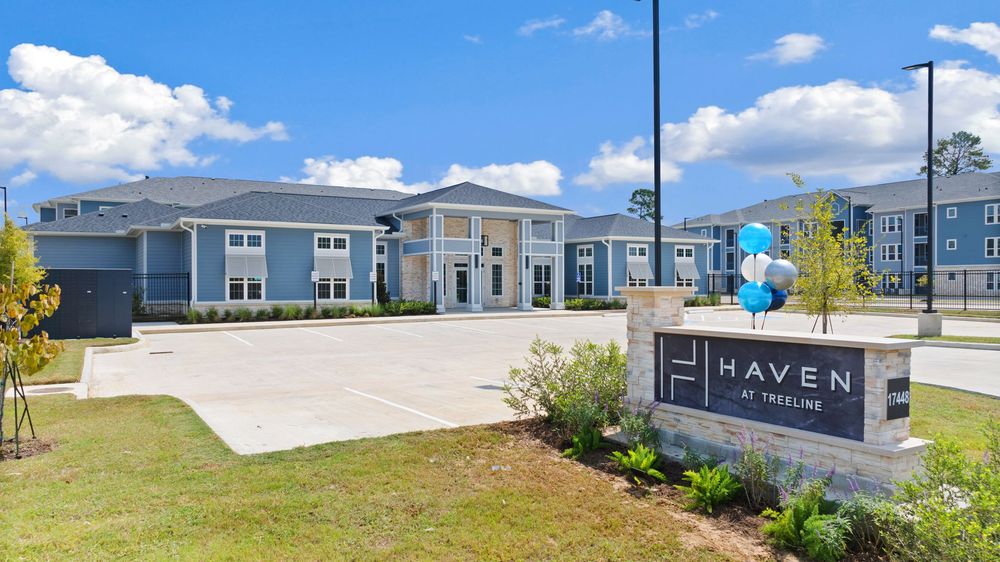
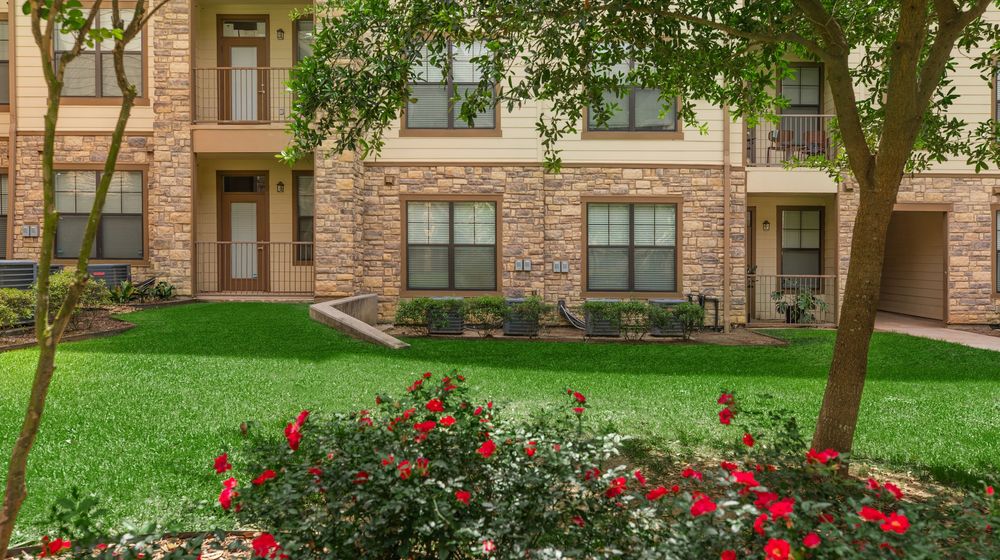
Haven at Treeline, Tomball, TX · garden Haven at Highland Knolls, Katy, TX · mid-rise Haven at Augusta Woods, Spring, TX · mid- rise
Join the Interest Reserves Explained Investor List
To talk through development investing with the Ascendant team, visit https:// www.ascendantdevco.com/invest-with-us or call Ascendant Development at 713.600.9393.
Join the Interest Reserves Explained Investor List
Sign up for Interest Reserves Explained investor updates →
Scan the code to join the Interest Reserves Explained Investor List.
S O U R C E S
1. Board of Governors of the Federal Reserve System, Selected Interest Rates (H.15). https://www.federalreserve.gov/releases/h15/
I M P O R TA N T D I S C L O S U R E S
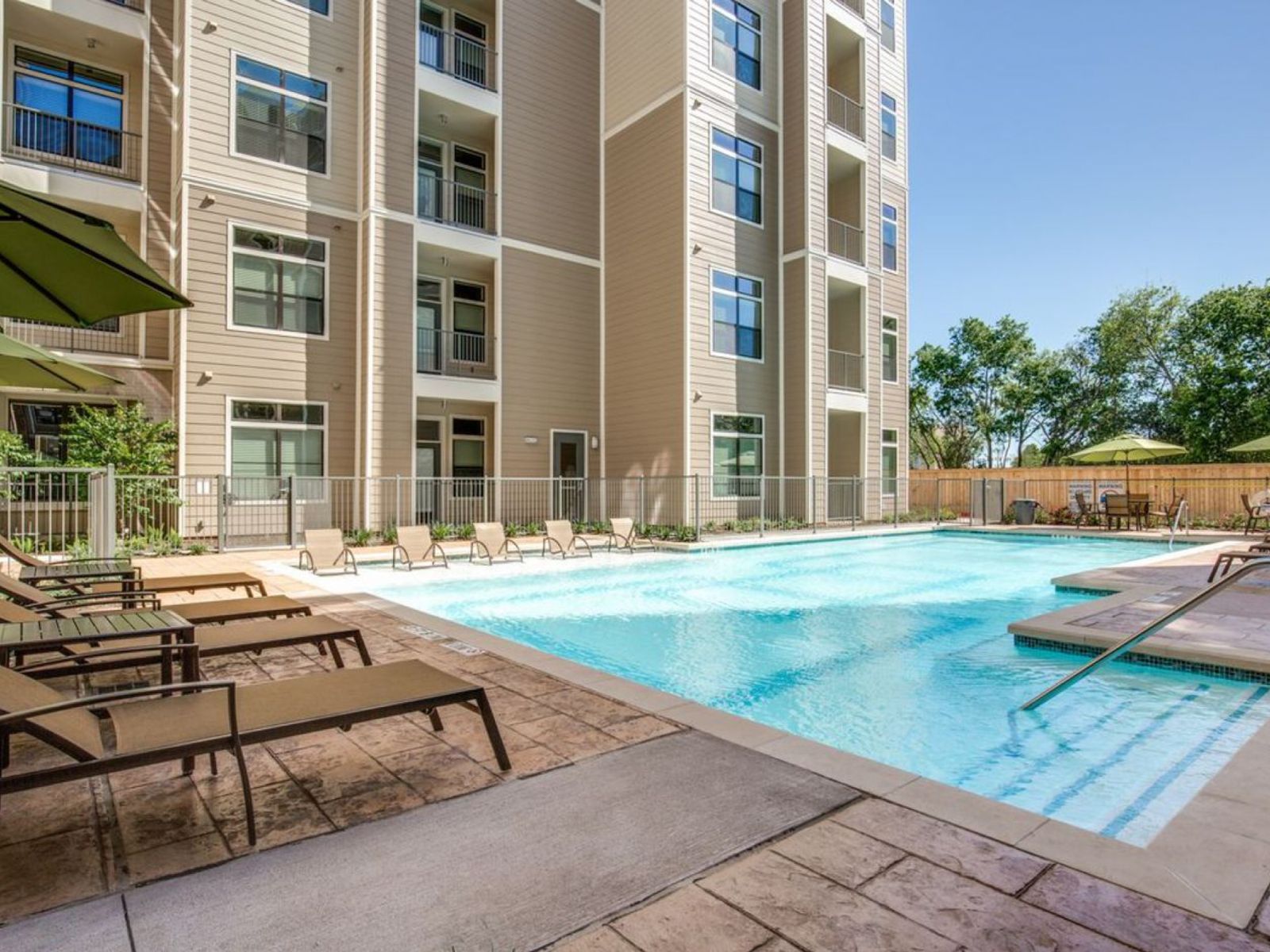
This article is for educational purposes only and is not an offer to sell or a solicitation of an offer to buy any security. Any offering by Ascendant Development or its affiliates is made only to verified accredited investors under Rule 506(c) of Regulation D through definitive offering documents, which should be read in full, including the risk factors. Real estate development involves risk, including the possible loss of principal, and is illiquid. Nothing here is tax, legal or investment advice; consult your own advisors. Forward-looking statements are not guarantees. Hypothetical examples are for illustration only and are not projections or the terms of any offering. Photographs show completed or existing Ascendant projects. They are shown to illustrate the firm's work and do not represent any specific current offering.
Haven at Main, Houston, Texas.
- Source 1 on report page 5
- Source 2 on report page 5
- Source 3 on report page 5
- Source 4 on report page 5
For educational purposes only. Not an offer to sell or a solicitation of an offer to buy any security. Any offering will be made only to verified accredited investors under Rule 506(c) of Regulation D through definitive offering documents. Past performance does not guarantee future results.